Athens in the Off-Season: Why Winter Might Be the Best Time to Visit
Skip the crowds, halve the costs, and discover a side of Athens that summer visitors never see.
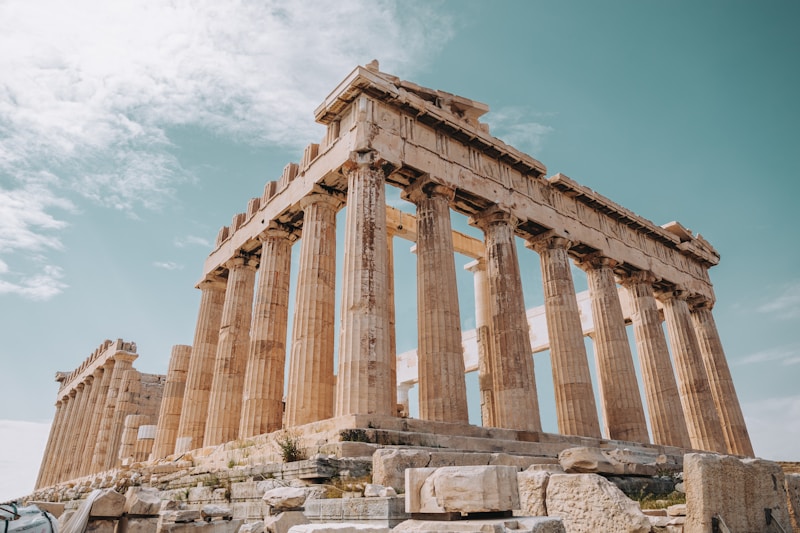
There’s a particular quality of light in Athens during winter. It’s softer than the bleaching Mediterranean sun of July, casting long shadows across the Acropolis and turning the city’s white marble monuments a warm honey gold. The air is crisp—rarely below 10°C—and the streets, usually choked with tour groups, feel almost peaceful.
This is Athens in the off-season. And it might be the best version of the city.
The Case for Winter
The numbers alone make a compelling argument. That €20 Acropolis ticket? It drops to €10 between November and March. Hotels that command €200 a night in peak season can be had for €80. Flights from London hover around £40 return if you time it right.
But the real advantage isn’t financial—it’s experiential.
Stand at the Parthenon in August and you’re one of 23,000 daily visitors, shuffling past selfie sticks and guided tours in a dozen languages. Visit on a Tuesday morning in February and you might share it with a handful of architecture students and a few locals walking their dogs through the Ancient Agora below.
The first Sunday of every month from November to March, admission to major archaeological sites is free. The city, it seems, wants you to come.
What Changes (And What Doesn’t)
Athens doesn’t hibernate. This isn’t a beach resort that shutters its tavernas and waits for summer. The city runs year-round, and in many ways, winter is when it runs most authentically.
What’s different:
- Rooftop bars close or move indoors
- Beach clubs and island ferries largely shut down
- Some outdoor restaurants reduce hours
- Daylight fades by 5:30pm
What stays the same:
- Museums, galleries, and archaeological sites (with far fewer visitors)
- The food scene (arguably better—seasonal ingredients, heartier dishes)
- Nightlife (Greeks don’t stop going out because it’s cold)
- Coffee culture (if anything, it intensifies)
The Winter Table
Greek cuisine is deeply seasonal, and winter brings dishes you simply can’t get in summer.
Look for lahanodolmades—cabbage leaves stuffed with rice and herbs, simmered until meltingly tender. Seek out fasolada, the bean soup that’s practically a national dish, thick with tomatoes, celery, and olive oil. In the right taverna, you’ll find wild greens (horta) that were foraged that morning from the hills outside the city.
For something to warm you from the inside, order rakomelo—a hot drink of raki, honey, cinnamon, and cloves. It’s like mulled wine’s stronger, more interesting Greek cousin.
Christmas brings its own traditions: melomakarona (honey-soaked biscuits with walnuts) and kourabiedes (butter cookies dusted in powdered sugar) appear in every bakery. On New Year’s Day, families gather to cut the vasilopita, hunting for the lucky coin baked inside.
How to Spend Your Days
Morning: The Acropolis, obviously. But go early—arrive when the gates open at 8am and you’ll have an hour of relative solitude before the tour buses arrive. The morning light is spectacular for photography.
Afterward, walk down through the Ancient Agora rather than fighting the crowds on the main path. It’s quieter, greener, and historically just as significant.
Midday: Lunch at a proper magirio—a traditional ready-food kitchen where dishes are cooked that morning and kept warm in metal trays. Point at what looks good. It will be. These places typically close by 3pm, so don’t delay.
Afternoon: Museums. The National Archaeological Museum alone deserves three hours. The Benaki Museum, the Museum of Cycladic Art, the Acropolis Museum—you could fill a week and barely scratch the surface. In summer, you’d be competing with crowds. In winter, you can actually contemplate the art.
Evening: This is when Athens wakes up. Find a rebetiko taverna—think Greek blues, played in basement bars heavy with cigarette smoke and nostalgia. Or head to a koutouki, a traditional wine cellar where retsina is drawn straight from the barrel.
The Weather, Honestly
Let’s be realistic: it will rain. Not constantly, but Athens gets most of its annual rainfall between November and February. Pack layers and a light waterproof jacket.
Temperatures typically range from 8-15°C. Snow is rare in the city center—maybe once or twice a winter—but the surrounding mountains (Parnitha, Hymettus) often get a dusting, making for surprisingly beautiful day trips.
The upside of winter weather? Those dramatic skies. Sunsets behind the Acropolis with storm clouds rolling in from the Saronic Gulf. The city looks moodier, more photogenic, more real.
Worth the Trip
A few winter-specific experiences worth planning around:
Athens Authentic Marathon (Second Sunday of November): Run—or watch—the original marathon route from the town of Marathon to the Panathenaic Stadium. The atmosphere is electric.
Christmas in Syntagma Square: The city’s main square gets a towering Christmas tree and, in keeping with Greek maritime tradition, an illuminated boat. It’s touristy but genuinely festive.
Apokries (Three weeks before Lent): Greece’s carnival season. The best parties are on the islands, but Athens has its share of costume parties, parades, and general revelry.
Day trip to Meteora: The monasteries perched on sandstone pillars are stunning year-round, but winter mist and fewer visitors make them feel genuinely otherworldly. The 4-hour train ride from Athens is comfortable and scenic.
The Bottom Line
Summer Athens is a postcard. Winter Athens is a city people actually live in.
You’ll eat better, spend less, see more, and leave with a sense of the place that isn’t filtered through the chaos of peak tourism. The light will be softer. The pace will be slower. The streets will feel like they belong to you.
Sometimes the best time to visit a place is when nobody else thinks to.
Getting there: Direct flights from most European capitals run year-round. The airport connects to the city center via metro (€9, 40 minutes) or taxi (€40 flat rate).
Where to stay: The Plaka and Monastiraki neighborhoods keep you central. For something quieter, try Koukaki or Mets—both walkable to the Acropolis but more residential.